
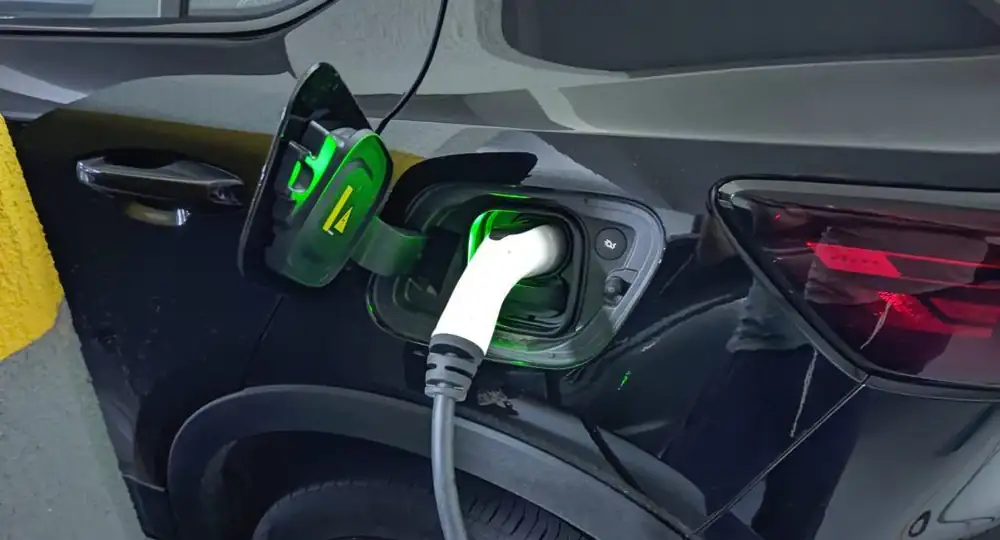
There's a specific fear that stalls many board decisions, and it's not about the car: it's about the charger itself. The idea that the equipment installed in the garage could overheat, short-circuit, or even explode during use.
Where this fear comes from
It's an understandable fear: electricity, an enclosed garage, daily use without constant supervision. That's exactly why installing an EV charger follows a specific set of technical standards, unlike a regular outlet.
What actually prevents this risk
Before any installation, the building's electrical capacity is assessed, with load-management systems when needed. The equipment follows electrical and fire-safety codes, and the station is remotely monitored, catching anomalies before they become real problems.
The real risk doesn't disappear by avoiding the charger
An amateur installation, done outside code and without a load assessment, is what actually raises risk, not a certified, monitored charger. Avoiding the project doesn't eliminate the risk, it just pushes it to a future installation done with less care.