
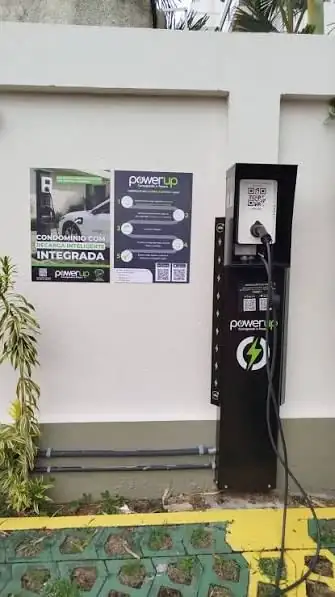
A well-installed EV charger isn't an expense for a condo building, it's a new revenue line, already running in dozens of buildings across Brazil, none of which paid a cent for the installation.
How the revenue model works
PowerUp installs the charging station on its own dime: the equipment, the parking spot signage, the smart consumption-management device, and all the necessary electrical infrastructure. The building pays for none of it, no special assessment, no dipping into reserve funds.
Energy used by each driver is metered individually, and the building is reimbursed at 110% of the energy's value. In other words: the building gets back more than it spent, the difference is net recurring revenue, every month.
Why this isn't "energy savings"
This isn't an efficiency project. There's no cost reduction here, there's a brand-new revenue stream built on an asset, the parking spot, that normally generates no financial return at all.
What this means for the board
Recurring revenue is a concrete talking point at the annual meeting, and unlike other alternative income sources, it requires no vendor negotiation or default risk, billing is automated through the app.
The cost of waiting
Every month without the charger installed is a month of revenue that simply didn't happen, revenue a neighboring building may already be collecting.